Our Journey Through Time
Tracing the footsteps of faith, courage, and divine calling through generations.
Missionary Foundations
In the 1970s, SIM missionaries relocated from Ethiopia to Ghana ready to spread the Gospel. Realizing the minimal impact of the Gospel in the Northern Regions, they journeyed to the Upper East and West where evangelism began.
Church Establishment
A series of meetings with Fellowship leaders in Accra led to the formation of the Fellowship of Good News Churches of Ghana, officially registered in 1982 — later renamed Bible Church of Africa.
National Growth
From Accra suburbs like Nima, Tesano, Ashaiman, to nearly every region of Ghana, Fellowship Of Good News Bible Churches continues to flourish — bringing together diverse communities united in faith and purpose.
"One generation shall commend your works to another, and shall declare your mighty acts."Psalm 145:4
Our Core Beliefs
The 66 books of the Bible, both Old and New Testaments, to be the divinely inspired word of God, without error in the original writings, and the complete revelation of God's word for the salvation of all creation, and the final authority for Christian faith and conduct and for all other matters to which it speaks.
One God, sovereign, perfect in all His ways, creator and preserver of all things, and eternally existing in three persons, Father, Son and Holy Spirit who are co-equal.
God the Father (Article 2.1)
God the Father who has revealed Himself through His mighty acts, the Bible, and through His Only Begotten Son, Jesus Christ.
References: Psalm 19:1-4; Romans 1:20; Hebrews 1:1-2God the Son, Jesus Christ (Article 2.2)
God the Son, true God and true man, conceived of the Holy Spirit; born of the Virgin Mary. He lived a sinless, perfect life and died on the cross as the sacrifice for sin according to scripture. He was buried, rose from the dead and ascended into heaven, where He is now our High Priest and Advocate at the right hand of the Majesty on High. He personally will come again with power and great glory to judge the living and the dead.
References: Luke 1:34-35; Acts 1:11; 1 Corinthians 15:3-4; Hebrews 1:1-3God the Holy Spirit (Article 2.3)
The Holy Spirit who is the third person of the Godhead, whose purpose is to glorify Christ in the believer, as He guides, instructs, and empowers believers for service. He convicts people of sin and the need for repentance. He gives new life to all sinners who exercise saving faith in Jesus Christ. He dwells in everyone who truly believes in Jesus Christ. He baptizes and places every true believer into the Body of Christ, thus joining each believer to Christ in a mystical union. He seals by His abiding presence in the believer. This mark of ownership is placed to indicate that the one indwelt is God's own eternal possession. He fills and empowers those who believe and are yielded to God in daily conduct and service.
References: John 3:3-6; 1 Corinthians 6:1-9, 12:13; Ephesians 5:18; Romans 8:11; John 6:63a, 14:16-17; 1 Corinthians 12:13; Galatians 3:26-27; Romans 6:3-4; Ephesians 1:13-14, 4:30; 2 Corinthians 3:18; Galatians 5:16,22-25; Colossians 3:17God's original creation of an innumerable company of sinless, spirit-beings called angels. They are messengers of God to help His people in all ages. One angel, high in rank, however, sinned through pride. He is known as Satan who, having been cast out of heaven, deceives the world and is the accuser of believers. Though he has limited power in this present age, he is already judged and will suffer eternal condemnation along with his followers. A great company of other spirit beings also fell. They became active agents of Satan known as demons.
Humans who were created in the image and likeness of God, but in Adam all humankind fell into sin with the result that all people are sinners by nature and action. All people are unrighteous and without hope apart from the grace of God.
Salvation is received by faith alone in the God-man, Jesus Christ, apart from works. Christ died as a substitution, a sacrifice to redeem us from our sins if we believe in Him. His shed blood and His resurrection provide the only grounds of justification and salvation. Only those who receive Jesus Christ are born of the Holy Spirit and are truly Christians and children of God.
Assurance of salvation both now and forever for everyone who truly believes in Jesus Christ's atoning work and has appropriated this benefit personally to his/her life. Those so assured are eternally safe due to the abiding presence of the Holy Spirit unto the day of redemption.
The setting apart of believers to God to grow in grace from their conversion, to grow in holiness as they walk daily with the Lord, and ultimately to be glorified in the presence of Jesus.
The Universal Church (Article 8.1)
The universal Church is the body of Christ which was established on the day of Pentecost and consists of all believers in Christ, both Jews and Gentiles in heaven and on earth from Pentecost to the rapture.
References: Colossians 1:13; Ephesians 3:1-6; 1:22-32; 1 Corinthians 12:12-13; Acts 2:41-42The Local Church (Article 8.2)
The local church is a local manifestation of the universal Church. It is a dynamic, integrated, complex body of believers bound together in a fellowship of love, sharing the hardships and trials of the Christian life, supporting and exhorting one another, rejoicing in a relationship of deep devotion and worship for God, holding fast to common values, and doing all this through the hope and love of Jesus Christ.
References: Acts 20:17-28; 1 Timothy 3:1-7; 1 Corinthians 14:4; Acts 15:13-18The ordinances of the Church are the Lord's Supper and water baptism by immersion. They are to be observed by the Church during the present age. Neither of these is a means of salvation.
GNBC acknowledges the continuing work of the Holy Spirit who freely bestows spiritual gifts on believers. These gifts are not determined by the will of people.
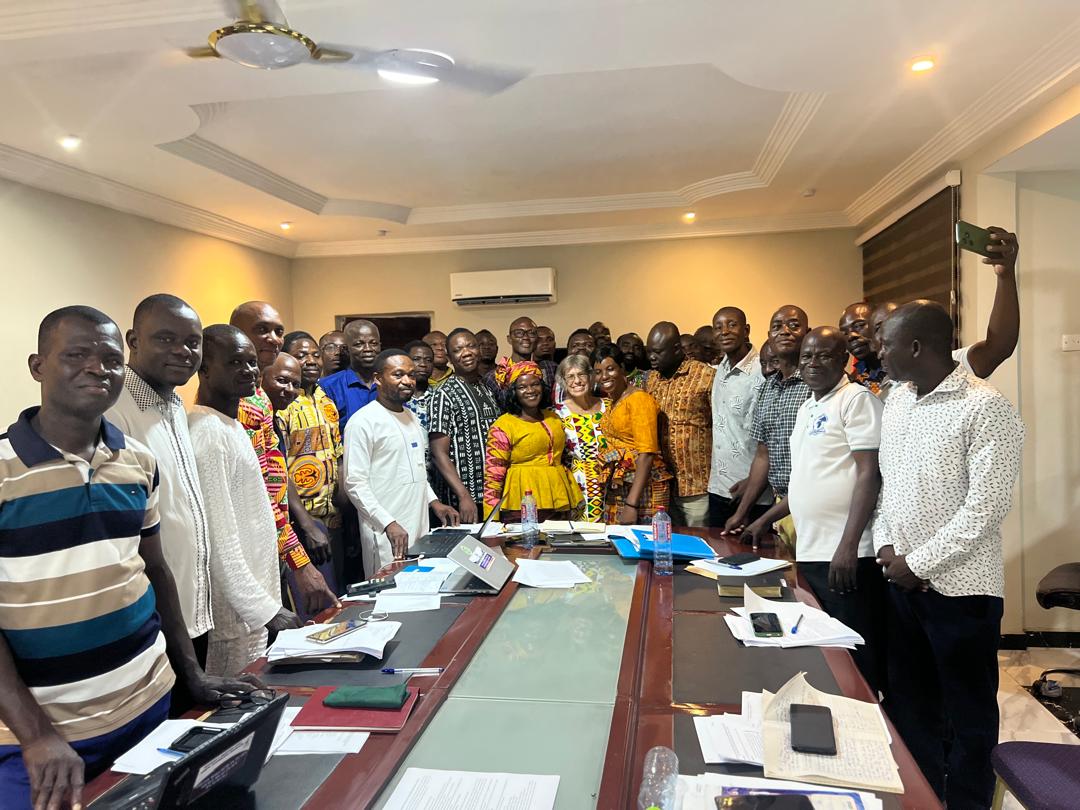
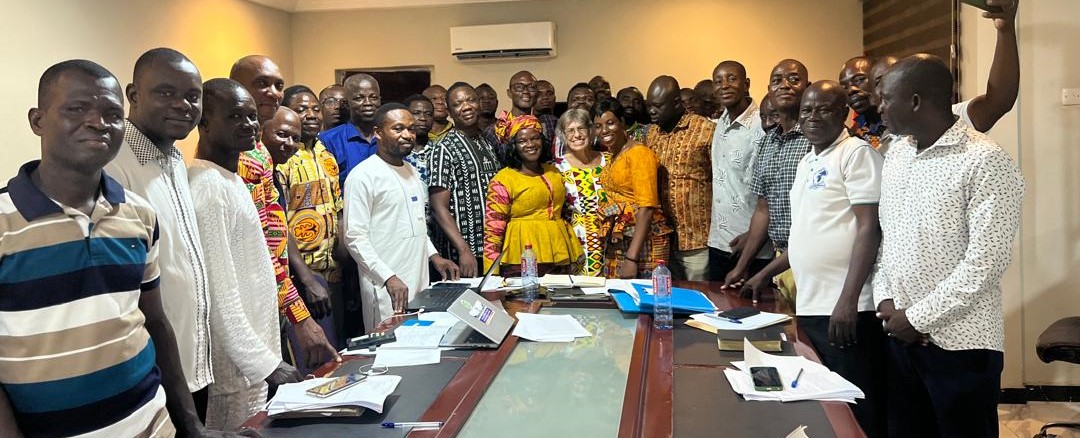
Our Leadership Team
Meet the dedicated leaders who guide our church community
Our Organizational Structure
Leadership Hierarchy
-
National Church Council
Supreme governing body
-
National Executive Council
-
Regional Church Council
-
District Church Council
-
Local Church Council
Departments
Finance & Assets
Manages church finances and properties